


Give their favorite kind of game something worth singing about.
The appeal of a tile game is easy to understand: a beat to follow, notes to catch, and the satisfaction of getting a little better. Tunecan puts that interaction around songs with a teaching purpose.
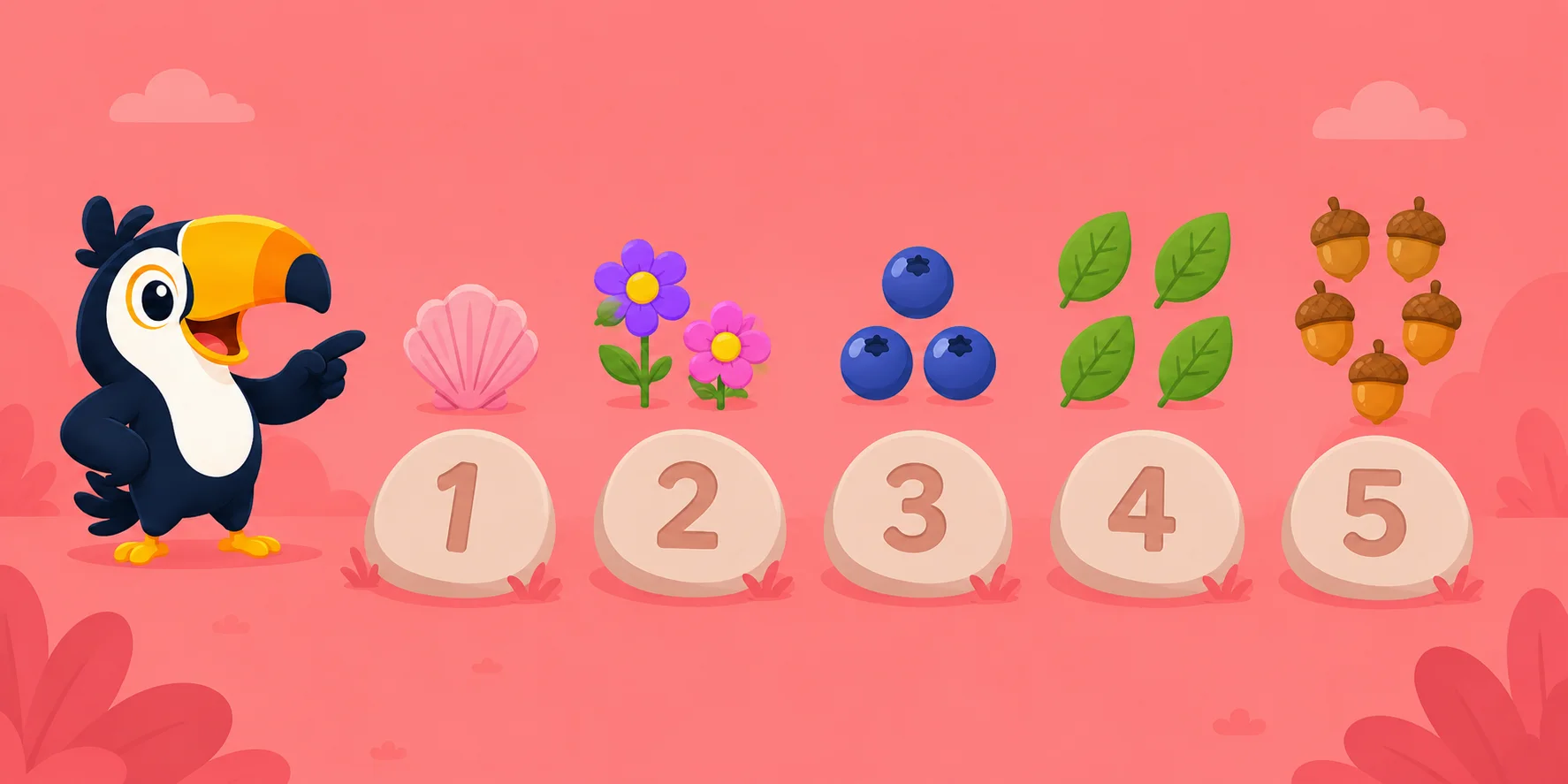
In Five Minus One, the subject is taking one away. In Vowels, it’s the vowel letters. In The Planets, it’s the worlds around our sun. Your child is following the rhythm while hearing a concrete idea in the lyrics. Replaying the song means hearing that idea again. Source: Tunecan on the App Store
That is the educational distinction from Magic Tiles 3. Its listings promote a broad catalog of popular music and rhythm challenges. They do not advertise a subject curriculum. If you want the content of the song to introduce something useful, Tunecan is designed around that goal. Source: Magic Tiles 3 on Google Play (US)
A child wants another go at a favorite song. This time, you sing the numbers with them. Afterward, you count five toys together and take one away. The app supplies a musical starting point; you can carry the idea into play.
A learning adventure, with a next step.
Open Lessons and choose Reading, Math, Science, Biology, or Life Skills. The courses bring related songs together, making it easier to follow an interest or return to a subject your family wants to explore. Source: Tunecan on the App Store
The illustrated Journey adds a sense of adventure: finish songs, open the path ahead, and discover new worlds. Or head straight to the song library and replay a favorite. Children have a way forward and room to choose what excites them.
Completing a song gives children visible progress to celebrate. That progress records play and completion; it is not a test score for reading or math. The value is a growing collection of ideas to hear, sing, and talk about together.
Let their curiosity choose the next song.
A familiar song. A new challenge.
Tunecan offers three rhythm paths for each song. A child can start with a simpler pattern, then return to the same music for a bigger tapping challenge with holds and two-note chords. The song stays familiar while the interaction offers more to try. Source: Tunecan on the App Store
There is no game-over screen in Tunecan. A missed note gives a child another chance. For a beginner learning how to follow a beat, that is the kind of encouragement we want to build into play.
Magic Tiles 3 also offers rhythm challenges, so tapping to music itself is not exclusive to Tunecan. Our distinction is combining that play with educational songs and an experience designed for young learners. Source: Magic Tiles 3 on Google Play (US)
More room for the song and its lesson.
Tunecan is ad-free, including the free songs. Children can stay with their musical activity without an advertising break. Magic Tiles 3’s iOS listing discloses ads and paid ad-removal options. Source: Magic Tiles 3 on the US App Store
We also keep purchases behind a grown-up check, leave child profiles and progress on the device, and include no chat or tracking. These are the supporting promises around the main event: a game your child can enjoy while exploring useful ideas. Read our family promises and privacy policy.
Questions from grown-ups.
What can children learn with Tunecan?
Tunecan introduces reading and phonics, counting and early math, science, biology, and life skills through educational lyrics. Children can explore five subject courses or follow the illustrated Journey. The game provides practice tapping to music; the subject lessons are in the songs. It does not test or certify mastery of those subjects. Source: Tunecan on the App Store
Is Magic Tiles 3 an educational alternative to Tunecan?
Both offer rhythm gameplay. Magic Tiles 3 advertises a general music catalog and competitive play; its reviewed listings do not advertise phonics, math, science, biology, or life-skills courses. Tunecan is our recommendation for parents choosing a tile game specifically for educational content. Source: Magic Tiles 3 on Google Play (US)
Can a beginner play Tunecan?
Tunecan offers three rhythm paths for each song and no-fail play. Children can start with a simpler pattern and revisit a familiar song with a greater tapping challenge. The difficulty changes the rhythm task, not the child's assessed reading or math level. Source: Tunecan on the App Store
Can we try the learning songs for free?
Yes. Five learning songs and the opening Journey room are free to replay, without ads. Optional monthly, yearly, or lifetime Full Access unlocks the full released catalog and courses. Current prices appear in the App Store before purchase. Source: Tunecan on the App Store
Clear claims. Checkable sources.
This comparison was written by the Tunecan team, the makers of one of the apps compared. We reviewed US store listings and published privacy information on October 24, 2026; this is a comparison of product features and advertised learning content. We checked Tunecan’s subject courses, song catalog, Journey, and app screens against its product descriptions. Educational rows marked “not advertised” describe the competitor listings, rather than claiming an exhaustive audit of every song. No head-to-head study or proven learning advantage is claimed.
- Tunecan on the App Store Learning content, free songs, no-fail play, and Parent Space.
- Magic Tiles 3 on the US App Store iOS features, advertising, purchases, age rating, and developer-reported privacy label.
- Magic Tiles 3 on Google Play (US) Android gameplay description, age rating, and multiplayer features.
- Tunecan privacy policy Local child data, no tracking, and optional grown-up support submissions.
Magic Tiles 3 is a trademark of its respective owner. Tunecan is not affiliated with or endorsed by Amanotes. See something that has changed? Let us know.